
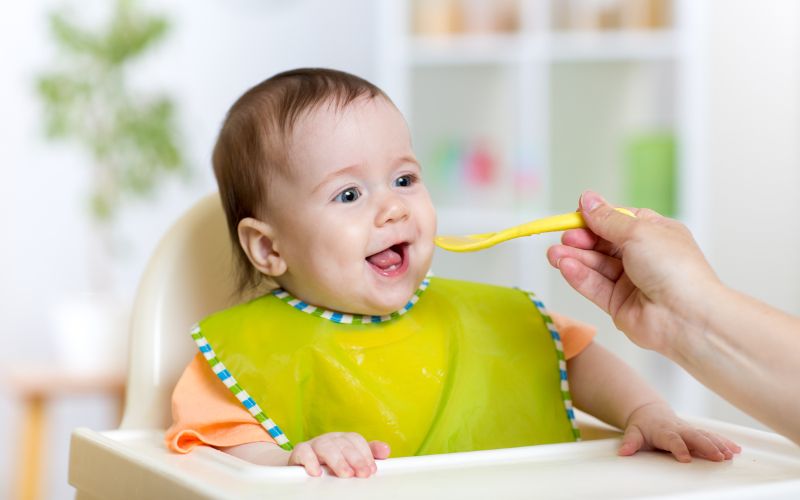
Toddlers between the ages of 1 and 5 experience rapid growth and development, making proper nutrition crucial during this formative stage. Their bodies not only need the right nutrients to grow physically but also to support their cognitive and emotional development. A balanced diet for toddlers plays a vital role in strengthening their brain function and supporting their immune system, both of which are essential for healthy growth. It’s important to note that providing this nutrition doesn’t require elaborate or expensive meals; often, simple and familiar foods can meet their needs effectively.
In this article, we will explore the types of foods that contribute to a well-rounded diet for toddlers and guide portion sizes to ensure they receive adequate nourishment for optimal health and development.

Why a Balanced Diet for Toddlers Is Important
Toddlers need a balanced diet for :
- Strong bones and muscles
- Develop immunity to fight infections
- Brain development for better learning
- Maintain energy levels
- Develop healthy habits for kids
Focus on the quality of food instead of the quantity they are eating.
What Makes a Balanced Diet for a Toddler?
Good Carbohydrates – For energy, toddlers need to play and grow.
| Grains & Cereals | 2–3 servings per day |
| Roti, rice, oats, dalia Idli, dosa, upma Whole wheat bread | (½ cup cooked rice or 1 small roti = 1 serving) |
Vitamins & Fiber – For better immunity and support digetion.
| Fruits & Vegetables | 2–3 servings per day |
| Fruits: banana, apple, papaya, mango, orange Vegetables: carrot, pumpkin, spinach, bottle gourd, peas | Offer different colors for better nutrition. |
Lean Proteins – For muscle growth.
| Lentils and beans | 2 servings per day |
| Dal, beans, chickpeas Paneer, curd Tofu, nuts (powder or pasted to avoid choking) | (¼ cup dal or ½ cup curd = 1 serving) |
Dairy Products– For calcium that helps in bone and teeth strength
| Dairy Products | 2 servings per day |
| Milk Curd Paneer | (½ cup milk or curd = 1 serving) |
Healthy Fats – For brain growth and nutrition absorption
| Healthy Fats | Small amounts daily |
| Ghee Butter (in moderation) Groundnut oil, coconut oil | 1–2 teaspoons spread across meals |
General portion guide:
There is no such amount that describes how much a toddler should eat. It varies according to appetite, and it’s completely normal.
- Offer 3 main meals + 2 healthy snacks a day
- Offer Small portions and frequent meals
- Let the child decide how much to eat from what you offer
Common feeding mistakes parents make

Force the child to finish what is on the plate
Many parents unintentionally create negative associations with mealtime by insisting that their children clean their plates, regardless of whether they are still hungry or satisfied. This pressure can lead to unhealthy eating habits and a lifelong struggle with food.
offering packaged food instead of home-cooked snacks
Many parents unintentionally create negative associations with mealtime by insisting that their children clean their plates, regardless of whether they are still hungry or satisfied. This pressure can lead to unhealthy eating habits and a lifelong struggle with food.
Using kids’ most favourite food as a reward and their least favourite food as punishment
When parents present their children’s most beloved foods as rewards and their least liked options as consequences, it can create an unhealthy relationship with food. This practice may lead kids to view certain foods as ‘good’ or ‘bad’, fostering emotional eating patterns and resistance to trying new flavors. unishment
Comparing their child to other kids for food
Comparing a child’s appetite or food preferences to those of their peers can be detrimental to their self-esteem and relationship with food. Each child has unique tastes and eating patterns, and highlighting these differences can lead to feelings of inadequacy or insecurity during mealtimes.

Special “TinyStepsCare” Tips
- Share mealtime with your child, creating an opportunity for connection and conversation.
- When introducing new foods, approach it with patience and an open mind; it’s important to understand that your child may not embrace a new flavor immediately.
- Avoid using screens or devices as distractions during meals, as this can take away from the experience of enjoying food together.
- Encourage exploration by offering a variety of food options, experimenting with different flavors and textures to pique their interest.
- Lastly, remember that while striving for perfection can be tempting, being consistent in your approach is far more valuable in fostering healthy eating habits.
Healthy eating goes beyond simply supporting a child’s growth or meeting their nutritional needs; it’s about instilling a lifelong habit that can benefit their overall well-being. By cultivating healthy eating practices in a child’s early years, you lay the foundation for a healthier future. This early introduction to nutritious foods and balanced meals not only nourishes their bodies but also teaches them valuable lessons about making wise food choices. Remember, the habits you foster now can have a lasting impact on their health and lifestyle, helping them thrive and maintain well-being.
