
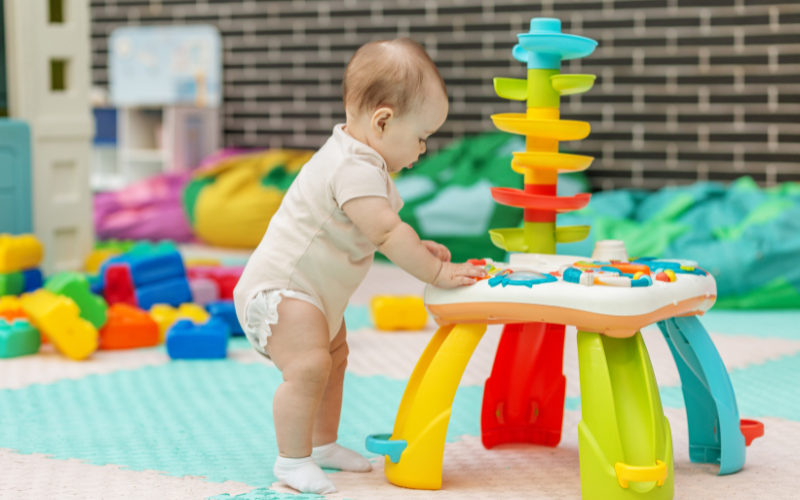

Learning Through Play: Fun and Simple Activities for Early Development
Play is very important for children. It helps them learn about the world and deal with their feelings. Learning through play, children use their imagination and interact with others, which helps them build language skills, creativity, and emotional health. Play allows them to explore ideas, make friends, and learn resilience. Overall, it is a key part of their growth and development.
The most wonderful aspect of learning through play is that it thrives on imagination and creativity, requiring nothing more than a few simple objects or even just the environment around us. There’s no need for costly toys or a structured plan; instead, play invites spontaneity and freedom, transforming the ordinary into the extraordinary.
Why learning through play is important for young children
Children cultivate essential problem-solving skills, nurture their imagination, and develop social awareness through engaging activities. The act of playing with colorful building blocks allows them to explore creativity and spatial reasoning, while pretend play fosters their ability to empathize and understand different perspectives. Riding a bicycle not only promotes physical strength and coordination but also boosts one’s confidence and independence. Together, these activities significantly enhance brain development, laying a strong foundation for their future growth and learning.
Playing through routine activities

Engaging in everyday activities, such as assisting mom in the kitchen, categorizing clothes by their vibrant colors, or identifying and naming various objects around the house, provides children with valuable opportunities to cultivate their language skills. These activities not only enhance their vocabulary but also naturally and enjoyably foster their logical reasoning abilities. Through these playful interactions, children learn to communicate more effectively and develop a deeper understanding of the world around them.
Activities for curious minds

Engaging with materials like playdough, mud, water, or various textured objects can significantly enhance children’s focus and concentration. The tactile experience of molding playdough, squishing mud between their fingers, or splashing in water allows them to immerse themselves in hands-on exploration. These activities not only stimulate their senses but also promote hand-eye coordination and fine motor skills, nurturing their ability to concentrate while having fun.
Play That Builds Language Skills

Engaging with picture books, toy musical instruments, and role-playing activities significantly aids children’s language development. In today’s world, a delightful variety of pop-up books, sensory books, and musical books are available, offering children vibrant and interactive ways to explore new concepts and ideas. These resources not only captivate their imagination but also encourage them to express themselves, fostering essential communication skills through play and discovery. It also helps with preschool readiness.
Physical and Outdoor Play

Engaging in activities such as climbing, running, and dancing not only fosters physical strength but also plays a crucial role in helping children develop their muscles. Moreover, balancing activities are instrumental in teaching them how to master control over their bodies, enhancing their coordination and stability. Outdoor play, featuring elements like ball games, sliding down playground slides, and swinging high into the air, brings immense joy and exhilaration, creating delightful memories and encouraging playful exploration among children.
Independent play

When children engage in independent play, they cultivate a sense of self-confidence that is essential for their development. This freedom allows their creativity to flourish as they discover new ways to use everyday household items, such as pots, pans, and utensils, turning them into imaginative tools for their adventures. Caregivers need to maintain a watchful eye on their safety while also giving them the space to explore and experiment at their own pace. This balance of guidance and freedom fosters a love for discovery and encourages their natural curiosity.
Parents role in play

When parents join their children in play, it creates a whole new dimension of excitement for kids. This involvement transforms ordinary moments into magical adventures, allowing children to immerse themselves in their imaginative worlds fully. By participating in activities alongside them, parents not only enhance the joy of play but also foster a deeper emotional connection. The shared laughter and collaboration bring immense happiness, making kids feel cherished and bonded with their parents in a way that enriches their experiences together.
Special “TinyStepsCare” Tips
- By blending educational activities with play, children can engage more fully and joyously in the learning process.
- When kids feel happy, confident, and secure, they are better equipped to develop essential skills.
- Engaging in puzzles together not only stimulates their problem-solving abilities but also fosters a sense of teamwork and accomplishment.
- Introduce them to new and imaginative ways of playing, encouraging creativity and exploration.
- Early learning doesn’t have to be complex; in fact, simplicity is key.
Additionally, parents can enrich these experiences by sharing their own childhood play stories, creating a bridge between generations, and sparking meaningful conversations that deepen connections. Through these shared moments, children gain a sense of belonging and inspiration that further enhances their learning journey.
