
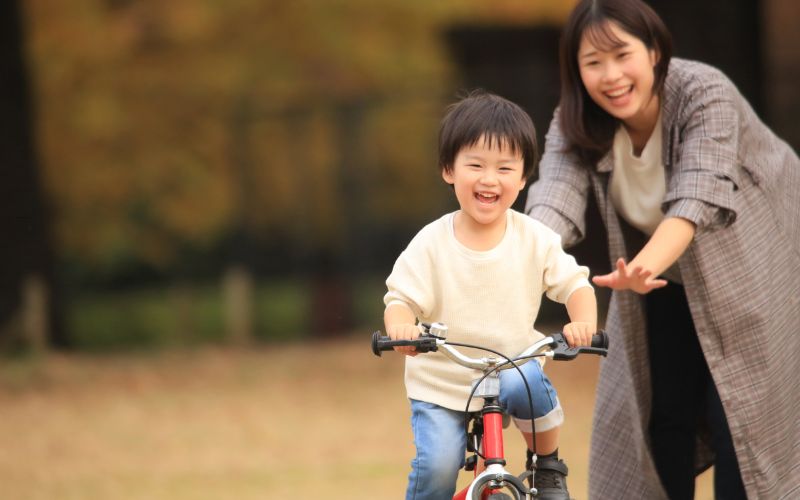
A Parent’s Guide to Building Self-Confidence in Children
Building Self-Confidence in Children from a Young Age- Fostering self-confidence in children is essential for their emotional and social development. Confidence allows children to face challenges, build healthy relationships, and develop resilience. If you’re wondering how to build self-confidence in children from a young age, the good news is that confidence is not something children are born with. It is developed through daily experiences, parenting style, and emotional support. The role of parenting is crucial in this process. When parents adopt a nurturing, supportive style, they create an environment where children feel safe taking risks, making mistakes, and learning from them. Encouragement, constructive feedback, and the opportunity to explore their interests contribute significantly to a child’s self-esteem. Additionally, consistent emotional support helps children manage their feelings and build resilience, further enhancing their confidence.

Let’s explore practical and simple ways to nurture confidence in your child.
10 Daily Habits That Build Self-Confidence in Children
1. Encourage Independence
Allowing children to make choices fosters a sense of autonomy. Start with simple decisions, like selecting what to wear or choosing a snack. This builds their confidence in their judgment and abilities.
2. Set Realistic Goals
Help children set achievable goals, whether it’s mastering a new skill or completing a project. Break these goals into smaller, manageable steps so they can experience a sense of accomplishment along the way.
3. Praise Efforts, Not Just Results
Recognize the effort children put into their tasks rather than solely celebrating the outcomes. This reinforces the idea that hard work and perseverance are valuable, regardless of success.
4. Promote Problem-Solving Skills
Encourage children to think critically and solve problems on their own. Ask open-ended questions and guide them through the thinking process. This helps develop their ability to navigate challenges independently.
5. Provide Opportunities for Social Interaction
Create environments for children to interact with their peers. Group activities, team sports, or collaborative projects can enhance their social skills and boost their confidence as they learn to communicate and work with others.
6. Model Confidence: Children often learn by observing adults
Demonstrate self-confidence in your actions and decisions. Share your experiences overcoming challenges to inspire them to develop the same mindset.
7. Encourage Healthy Risk-Taking
Allow children to step outside their comfort zones by trying new activities, whether it’s learning an instrument or tackling a new sport. Celebrate their bravery in taking risks, regardless of the outcome.
8. Create a Supportive Environment
Cultivate a home atmosphere where children feel safe expressing themselves. Encourage them to share their feelings and thoughts, reinforcing that their opinions are valued and respected.
9. Teach Resilience
Help children understand that failure is a part of learning. Share stories of famous figures who faced setbacks and persevered. This helps them see that challenges can be overcome with determination.
10. Set a Positive Example of Self-Talk
Teach children the importance of positive self-talk. Encourage them to replace negative thoughts with affirmations that reinforce their capabilities, such as “I can do this” or “I am capable.” By implementing these strategies, parents and caregivers can help children develop a robust sense of self-confidence that will serve them well throughout their lives.
Signs Your Child Lacks Confidence (And How to Help)
Avoidance of New Activities:
If your child consistently shies away from trying new things—whether it’s joining a sports team, participating in a school play, or even engaging in a new hobby—it may be a sign that they fear failure or rejection.
Difficulty Accepting Compliments
Children with low self-esteem often struggle to accept praise. If your child responds to compliments with self-deprecation or disbelief, this may indicate a lack of confidence in their abilities.
Excessive Comparisons to Peers
If your child frequently compares themselves to their peers, particularly in a negative light, this may indicate insecurity about their own worth or abilities. Our child becomes extremely anxious about outcomes or avoids situations where they might not succeed; this is a clear sign of low confidence.
Reluctance to Speak Up
If your child hesitates to express their opinions or participate in discussions—whether at home or in social settings—it may reflect a lack of self-belief or fear of judgment from others.
Limited Social Interactions
Children who lack confidence may isolate themselves from peers. Watch for signs of reluctance to engage in social activities or difficulty forming friendships
Overly Self-Critical Behavior
Pay attention to how your child talks about themselves. If they are overly harsh or critical about their actions and achievements, it may suggest deep-rooted issues with self-esteem
How to Help Your Child Build Confidence

Encourage New Experiences: Offer support and encouragement as your child explores new activities. Help them understand that it’s okay to make mistakes, and emphasize the learning process over the result.
Provide Positive Reinforcement: Acknowledge your child’s efforts and achievements, no matter how small. Use specific praise to highlight what they did well, reinforcing their sense of value and capability.
Model Confidence and Resilience: Children often learn by observing their parents. Display confidence in your actions and approach challenges with a positive attitude. Demonstrate how to handle setbacks gracefully.
Teach Problem-Solving Skills: Encourage your child to think critically and come up with solutions when faced with difficulties. This empowerment can help them feel more competent and confident.
Create a Safe Environment: Ensure that your home is a safe space where your child feels comfortable expressing themselves without fear of criticism. Open communication is key.
Encourage Social Interactions: Support opportunities for your child to engage with peers, whether through organized sports, clubs, or informal playdates. Building social skills can significantly enhance confidence.
Set Realistic Goals: Help your child set achievable goals that are tailored to their abilities. Celebrate their accomplishments as they reach these milestones, reinforcing their sense of success

Special “Tiny Steps Care” Tips
- Each child grows and learns at their individual speed. Measuring them against siblings or peers can negatively impact their self-esteem.
- Encourage your child for their effort, dedication, and willingness to learn—even if they don’t achieve success on their initial attempt.
- Give your child the opportunity to select their clothing, toys, or leisure activities. This fosters independence and confidence in themselves.
- Rather than resolving every issue on their behalf, assist your child in identifying solutions on their own.
- Let your child share their thoughts without fear of criticism. Feeling heard helps build strong self-esteem.
