

Separation anxiety in children: Easy explanation for first-time parents
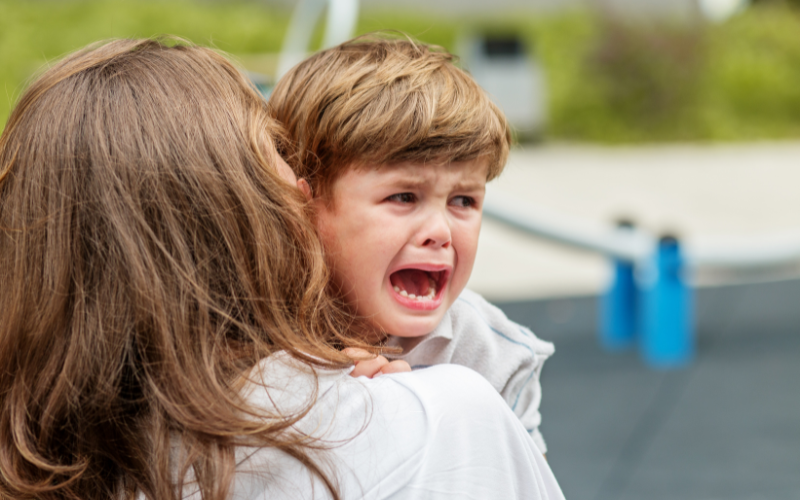
Seeing a child crying when their parents are away can be truly heartbreaking. Often, they grip tightly to their caregivers, unwilling to let them go. This behavior is quite common in the early years of childhood; it is known as Separation anxiety in children. Particularly during transitions such as when parents leave for work or when kids begin attending preschool or daycare, it’s important to recognize that this distress is part of the developmental process. However, understanding what constitutes typical behavior and when it may be time to seek help is crucial for both parents and caregivers.
This article discusses a common and emotional issue: the difficulties working parents face when leaving their young children at home or in daycare while they go to work. In today’s busy world, both parents often have demanding jobs, so finding a good balance is crucial. It’s also important to help children get ready for preschool by teaching them basic skills and helping them feel emotionally prepared for this new experience. Join us as we look at these key points and share tips to help parents manage this important transition.
Learn if your child is ready for Preschool.
What is Separation anxiety?
Separation anxiety in children manifests as a deep sense of fear, discomfort, and distress when they are apart from their parents or primary caregivers. This emotional response commonly emerges between the ages of 10 months and 4 years. It often becomes particularly noticeable during transitional periods, such as when children start attending daycare or preschool. During these times, the child may exhibit signs of anxiety, such as crying or clinging to their caregiver, reflecting their struggle to cope with the unfamiliar environment and the absence of their trusted adults.
Signs of Separation Anxiety
- Experiencing episodes of crying or throwing tantrums when parents are not present.
- Hesitation to attend daycare or preschool, often expressing strong uneasiness.
- Creating various excuses in an attempt to convince parents to stay with them.
- Displaying an excessive need for closeness by unusually clinging to parents.
Gentle reminder: This is a sign of attachment, not weakness.
Why Separation Anxiety Happens
- New Environment
- Change in routine
- Developmental milestone
- Strong bond with parents
How Parents Can Support Kids in this Situation
1. Practice short separation at home

Begin by gradually introducing your children to short periods spent with a reliable and trusted caregiver. This practice will help both you and your kids adjust to the idea of separation, while also allowing you to observe how they respond in such situations. Pay attention to their reactions, feelings, and behaviors during these initial moments apart, as this insight will be valuable for planning longer separations in the future.
2. Make a goodbye routine

Create a heartfelt goodbye routine that’s warm and affectionate. Approach the moment with consistent phrases, such as, “I will be back once you finish playing.” This familiarity not only provides comfort but also helps children adapt to the transition. Incorporate gentle gestures, like a reassuring smile or a light hug, to reinforce your love and presence. By establishing this predictable pattern, children can learn to feel secure and more at ease during goodbyes.
3. Never Sneak Away

When parents sneak away without saying goodbye, it can lead to a breakdown of trust between them and their children. Children thrive on consistency and reassurance, so it’s important for parents to always take a moment to properly say goodbye, even if it brings tears. A heartfelt farewell, no matter how difficult, helps children feel secure and loved, while sneaking away can leave them feeling abandoned and confused. Ensuring that you acknowledge their feelings and explain your departure fosters a healthier, more trusting relationship.
4. Stay Calm and Confident

Children notice everything around them and often copy the behaviors and feelings they see. When they see you stay calm and collected, they start to act the same way. This ability to pick up on your emotions happens quickly because they notice your subtle cues. By watching you, they learn how important it is to stay calm, even in tough situations.
Special “TinyStepsCare” Tips
- Keep the goodbyes brief and pleasant, so as not overwhelm the child.
- It’s important to recognize and validate their emotional responses, allowing them to express how they feel.
- Avoid labeling them as “too sensitive,” as this may discourage their openness.
- If their emotions persist for several months and seem to intensify rather than improve, it may be wise to seek guidance from a professional who can provide support and strategies.
Separation anxiety is a common and temporary experience that many children go through. It often arises when kids feel uncertain about being apart from their parents or caregivers. However, with abundant love and support from their parents, children can develop a strong sense of emotional security, helping them navigate these feelings. During such times, parents must remain patient, consistent, and confident in their approach. Showing empathy is essential, as it allows children to feel understood and validated in their emotions. With time, children adapt to these situations beautifully, learning to manage their anxiety and gaining valuable skills for independence.
