

Struggling to keep kids busy at home while you work – Simple, screen-free ideas
Working from home with kids can be really tough, especially when you’re trying to keep kids busy at home and also get your work done. When you finally sit down to concentrate, the interruptions start rolling in: “I’m bored,” “Play with me,” or a million other requests for your attention. It’s a challenge many parents face, and it can get very stressful quickly.
The positive aspect is that you can handle this without relying on screens or ongoing supervision. By using a few straightforward techniques, you can effectively keep kids busy at home in a manner that is enjoyable, engaging, and even educational. In this post, we will provide practical suggestions that allow your child to remain occupied while you work in peace.
Here are 7 simple ways to keep kids busy while you work from home
1. Create an Activity Box
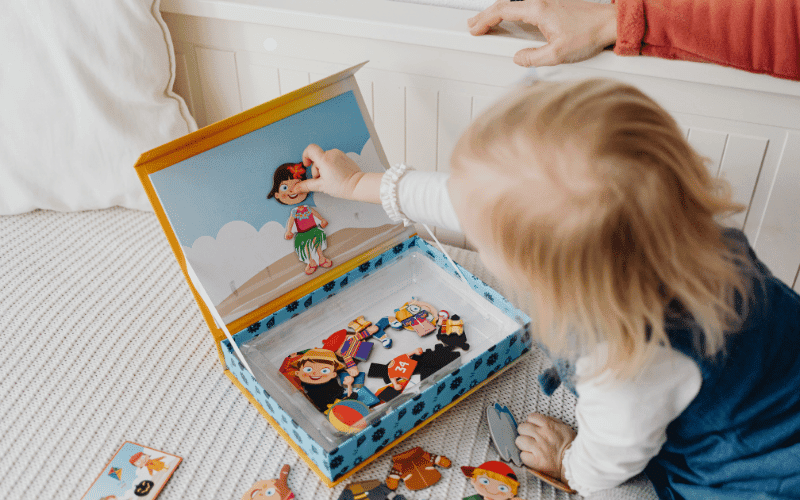
This idea is a lifesaver for working-from-home moms. Make a Box filled with:
- Colors / Cryons
- Stickers
- Puzzles
- Coloring sheet
- Crafting materials
Keep this box for your working hours only; this keeps it exciting and “new”.
2. Use Printable Worksheets

- Printable worksheets are an excellent resource for children of all ages, effectively capturing their attention for substantial periods.
- Activities such as tracing, matching, and coloring not only keep kids productively occupied at home but also significantly enhance their focus, motor skills, and problem-solving abilities.
3. Toys Rotation
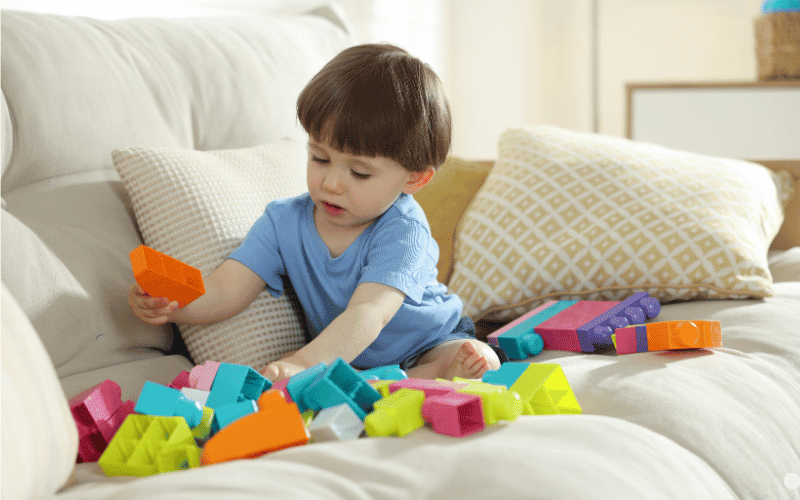
- Toys’ rotation can be incredibly effective, almost magical in its impact. Instead of overwhelming your child with an entire collection of toys at once, try keeping some of them tucked away.
- By hiding a portion of their toys and rotating them each week, you create a sense of excitement and novelty.
- Each time your child engages with the newly revealed toys, it feels like they are discovering something fresh and new, sparking their imagination and keeping their playtime experience vibrant and enjoyable.
4. Offer open-ended toys
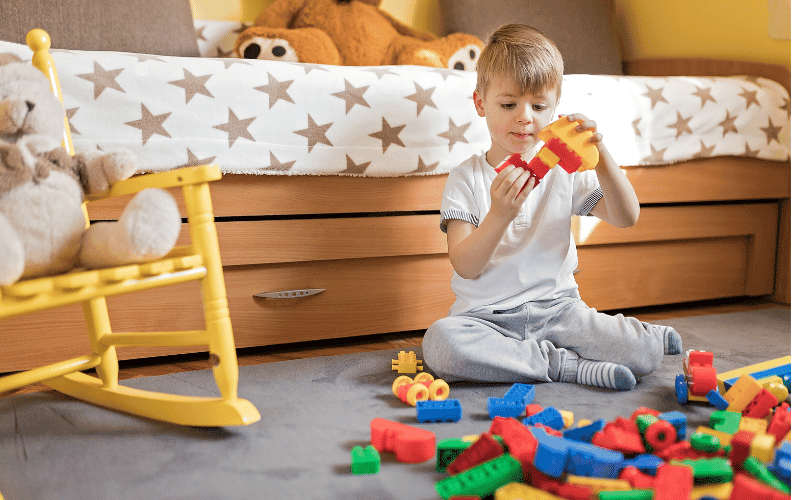
- Open-ended toys such as building blocks, colorful clay, and magnetic tiles captivate children’s imaginations and keep them engaged for extended periods.
- Unlike traditional toys that offer a single way to play, these versatile options invite creativity and exploration.
- Children can construct towering structures, mold unique shapes, or experiment with different configurations, allowing their ideas to come to life in endless ways.
- As they interact with these toys, they not only have fun but also develop critical thinking and problem-solving skills while pursuing their own creative adventures.
5. Set a play time routine
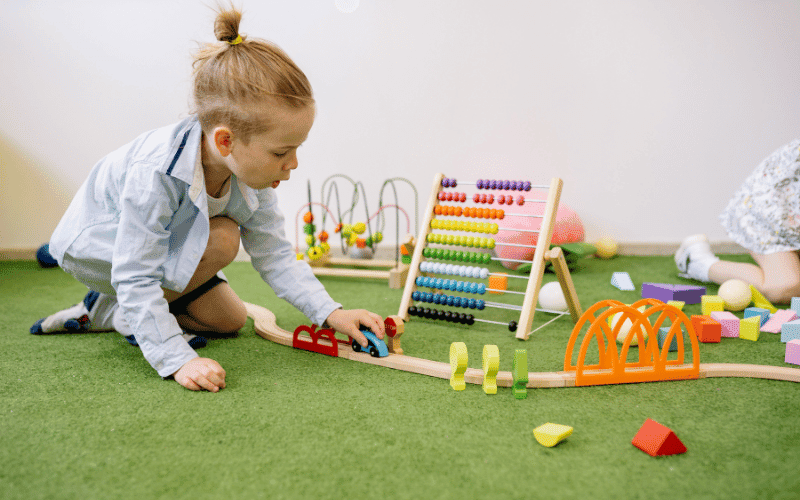
- Children thrive on consistency and structure, so establishing a routine can be highly beneficial for their development. Setting a routine helps kids improve their focus, attention span, and creativity.
- Begin by allocating 20 to 30 minutes for independent play, allowing them the freedom to explore and engage with their toys or activities.
- As they become more comfortable and accustomed to this practice, gradually extend the duration of their independent playtime, providing them with even more opportunities to learn, create, and utilize their imagination.
6. Give Them a “Special Task.”

- Children derive a great deal of joy and confidence from the feeling of being important and useful. Engage them in simple, achievable tasks that allow them to contribute meaningfully.
- For instance, you might ask them to help sort a pile of clothes by colors, sizes, or types. Not only does this task develop their organizational skills.
- Another idea is to set up a specific box or container where they can organize toys, craft supplies, or other small items. You could challenge them to find creative ways to sort the items, which stimulates their problem-solving abilities and promotes independent thinking.
- Ask your child play alongside you while you tackle a home project . Allow them to be your little helper, whether it’s assisting in the kitchen, gardening, or even tidying up a shared space.
7. Use Audio Stories

Engaging Playtime Activities for Kids: –
- Kids’ Stories: Enchanting narratives that spark imagination and creativity, transporting young minds to fantastical worlds filled with adventure and valuable lessons.
- Rhymes: Rhythmical verses that not only entertain but also enhance language development and memory, making learning a joyful experience.
- Moral Tales: Thought-provoking stories imbued with important life lessons, teaching children about kindness, honesty, and the significance of making wise choices.
These activities captivate children’s attention while providing a healthy break from screens, all the while fostering essential listening skills.
Special “Tiny Steps Care” Tips
- Don’t aim for perfection. Some interuptions are normal and okay. The goal is to balance, not silence.
- Combining work-from-home responsibilities with the demands of parenting can be quite challenging. However, with thoughtful planning and organization, it’s possible to create a routine that not only maintains productivity but also enhances family bonding time.
- By establishing a clear schedule, setting specific work hours, and creating designated workspaces, parents can carve out focused time for their professional tasks while ensuring their kids are engaged in constructive activities.
- This balanced approach can lead to a more enjoyable experience for both parents and children, allowing for meaningful interactions and shared moments throughout the day.