
Preschool Readiness Checklist: Is Your Child Ready for School?
Among all the developmental milestones, preschool stands out as one of the most significant transitions for both young children and their parents. When a child takes their first steps or begins to speak, excited parents often feel it’s the perfect moment to enroll them in preschool. However, it’s crucial to recognize that preschool readiness encompasses more than just the ability to learn letters and numbers. Equally important is the child’s emotional preparedness; they must be equipped to navigate new social environments, build relationships, and cope with the separation from their caregivers. Understanding this multifaceted aspect of preschool readiness can make all the difference in ensuring a smooth and positive start to their educational journey.
In this article, we will explore the ideal age for enrolling a child in preschool, emphasizing the importance of this early educational experience in fostering essential social, emotional, and daily life skills. By determining the right moment for this transition, we can help children embark on their educational journey with greater confidence and readiness for the adventures that lie ahead.
1. Emotional Readiness for preschool

In the formative early years of life, children surround themselves with the warmth and security of their parents and family in the familiar space of their home. This environment cultivates a profound sense of safety and confidence, allowing them to thrive and explore. However, the transition to a new setting, such as preschool, can be daunting for little ones. Children need to be emotionally prepared to embark on this journey, as the unfamiliar world of preschool presents new social interactions and experiences that can initially feel overwhelming. Nurturing this readiness can help ease their adjustment and foster a positive start to their educational adventure. Learn why children cry at goodbye and ways to support them.
2. Social skills

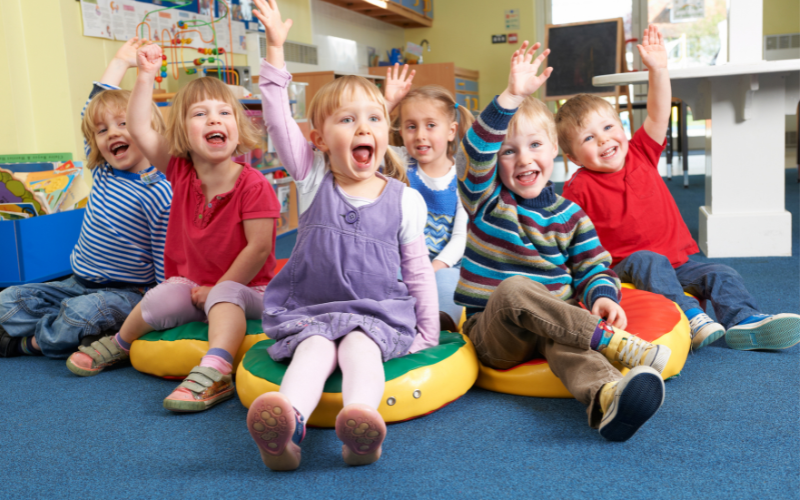
When children are at home, they often enjoy the freedom to engage in activities of their choosing, exploring their interests in a familiar environment. However, in preschool, they are introduced to a vibrant setting that encourages participation in group activities, sharing toys and snacks with other kids. This transition requires them to follow simple instructions and adapt to a markedly different social atmosphere from their home life. Cultivating social skills before entering preschool is essential, as it helps children navigate this new landscape, fostering friendships and learning to cooperate with others in a dynamic and diverse environment.
3. Basic Communication Skills for preschool readiness

Preschool readiness of a child is considered when they can effectively communicate their basic needs, such as expressing hunger, discomfort, or the need to use the toilet. While advanced speech skills are not essential at this stage, the ability to articulate these fundamental desires is crucial. Being able to convey such needs ensures that preschoolers can seek assistance and support from caregivers and teachers, fostering a sense of independence and security. As children continue to grow, they will naturally develop their language skills, but the capacity to share their immediate requirements is a vital step in their preschool readiness.
4. Physical Independence

The ability to sit quietly and focus on simple tasks, along with using the toilet with minimal assistance, plays a vital role in preparing children for preschool. Additionally, being able to eat independently is equally important. These foundational skills not only promote self-sufficiency but also foster a sense of confidence and readiness as children embark on their early educational journey.
The Importance of Preschool in Early Childhood Development
- Early learning is more than just memorizing the alphabet. It includes many experiences that help a child grow.
- Children learn to listen carefully and understand the world around them.
- Simple routines give them a sense of security and predictability.
- Through play and imaginative activities, children discover new ideas.
- Sharing with friends helps them develop important social skills.
- This journey not only encourages curiosity but also builds self-confidence, helping young learners express themselves and take on new challenges with excitement.

Special “TinyStepsCare” Tips
- Encourage your child by sharing positive stories and experiences about school, highlighting the fun activities and friendships that await them.
- Engage in meaningful conversations that instill excitement and curiosity about their new learning environment.
- To help ease the transition, practice short separations at home. This could involve spending brief moments apart while your child plays in a different room, gradually building their confidence and independence.
- Introduce your child to delightful books that explore the adventure of going to school. These stories can spark their imagination and help them visualize what to expect, making the idea of school feel more familiar and inviting.
- Establish simple yet effective routines around meals, sleep, and play. Consistency in these daily activities provides a sense of security and stability, allowing your child to thrive and feel more at ease as they embark on their school journey.
Preschool plays a crucial role in the early development of children. It serves as a foundational setting where young learners engage in structured activities that promote cognitive, social, and emotional growth. Through interaction with peers and educators, children acquire essential skills that prepare them for subsequent educational experiences. The early years in preschool are instrumental in shaping a child’s future learning trajectory and overall development.